
Black pepper once functioned as currency. In 408 CE, when Alaric the Visigoth demanded ransom from Rome, he asked for 3。000 pounds of pepper along with gold and silver. That single fact says more about pepper’s historical weight than any lecture on the spice trade. Today, a pepper grinder sits on nearly every restaurant table, and the spice costs less per ounce than a mediocre bottle of wine. How did something so ordinary become so indispensable?
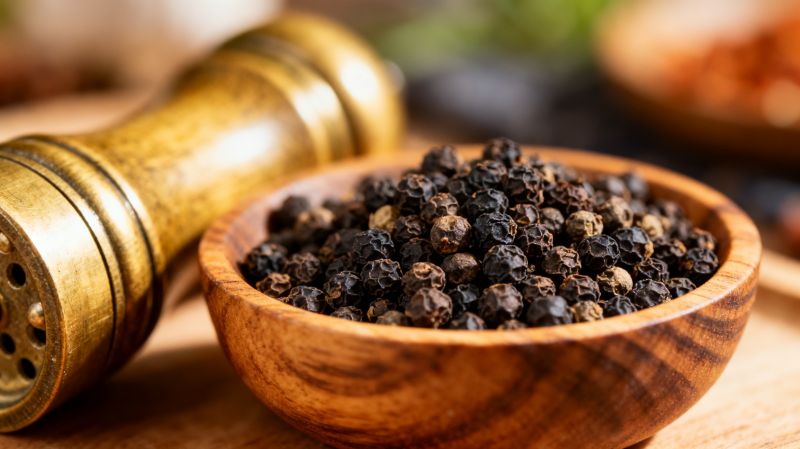
Walk into any kitchen, and you’ll find pepper in two forms: the pre-ground dust in a shaker and the whole peppercorns waiting in a mill. The difference is stark. Pre-ground pepper loses its volatile oils—the compounds responsible for that sharp, piney heat—within weeks. Whole peppercorns, stored away from light and heat, keep their bite for years. I learned this the hard way after buying a cheap jar of ground pepper that tasted like sawdust with a hint of regret. Since then。I only buy whole black peppercorns and crush them fresh. The aroma alone justifies the extra ten seconds of effort.Pepper’s culinary role goes beyond heat. Piperine, the alkaloid that gives pepper its pungency, also enhances the absorption of nutrients like curcumin from turmeric and beta-carotene from vegetables. Sprinkle pepper on your salad and you’re not just adding flavor;you’re quietly improving your body’s ability to use what you eat. Chefs know this instinctively—a pinch of pepper in a stock or sauce rounds out flavors without announcing itself. It’s the bass note in a symphony, not the trumpet solo.The global pepper trade tells a messier story. Vietnam now produces roughly 40% of the world’s pepper。
followed by Brazil and Indonesia. Smallholder farmers in provinces like Gia Lai plant pepper vines on wooden poles, harvest the berries by hand, and dry them in the sun. A single vine can produce for twenty years, but prices swing wildly. In 2015, black pepper sold for over $10 per kilogram wholesale;by 2020, it had dropped below $2. Farmers who borrowed money to expand their plots found themselves trapped. That kind of volatility rarely makes headlines, yet it shapes the livelihoods of millions.On a home level, pepper rewards a little attention. Try crushing peppercorns with the back of a skillet instead of a grinder—you get uneven, jagged pieces that release bursts of flavor rather than a uniform dust. Toast whole peppercorns in a dry pan for thirty seconds before grinding。and the spice takes on a smoky depth. Pair white pepper with delicate sauces and black pepper with red meat. These aren’t rules, just observations from years of cooking. Pepper isn’t a background player. Treat it like the main ingredient it has always been.